Kalobeyei Settlement, Kenya – In the dusty, windswept landscape of Kalobeyei, where the host community and refugee settlements stand side by side, a quiet story of resilience is unfolding. Here, amid the small kiosks and busy footpaths of the Kalobeyei host community, a 37-year-old Kenyan mother of 7 is showing that with the right support, even the deepest struggles can give way to hope and prosperity.
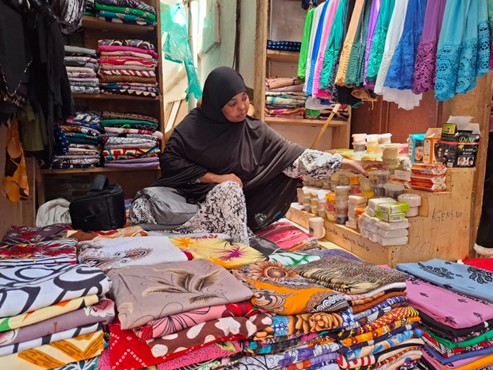
Akitela Epong sits outside her small shop, the afternoon sun casting long shadows across shelves now stocked with soap, flour, sugar, and colorful rolls of fabric. Her hands, weathered by years of hard work, rest on her lap as she recounts a journey that nearly broke her but ultimately revealed her extraordinary strength.
“Majina yangu ni Akitela Epong, miaka 37 na mama wa watoto saba (My name is Akitela Epong, I am 37 years old and a mother of seven children),” she begins, her voice steady but soft. “Mimi ni mkaaji wa Kalobeyei, hapa kwa host community (I am a resident of Kalobeyei, here in the host community).”
Before the Refugee Consortium of Kenya entered her life, Akitela’s world was one of daily survival. Her husband passed away in 2022, leaving her alone with seven children depending on her for everything. Two are in secondary school, one supported by a scholarship, the other who struggles to pay for herself. The others are in junior secondary and primary school, each requiring uniforms, books, and school contributions she could barely afford.
“Mimi bwanangu aliaga mwaka wa 2022, nikaachwa na watoto saba ambao wananitegemea (my husband passed away in 2022, and I was left with seven children who depend on me),” she says, her voice catching with emotion
Her only source of income was a small shop selling household essentials. But without capital, her stock was meager, and her profits were smaller still.
“Kabla ya kupata msaada, mapato kutoka kwa mauzo ya duka yalikuwa chini sana (Before I received support, the income from my shop sales was very low),” she explains. “Nilikuwa nikiuza vitu vya shilingi 1,000 hadi 2,000 kwa siku. Faida ilikuwa ndogo sana. Hii ilisababishwa na kwamba sikuwa na vitu vingi, stock yangu ilikuwa ndogo (I used to sell between 1,000 and 2,000 shillings per day. The profit was very small. This was because I didn’t have many goods, my stock was limited).”
She would watch customers walk away because she didn’t have the beans, cereals, or other items they needed. Each lost sale was a missed opportunity to feed her children, to buy a uniform, to keep hope alive.
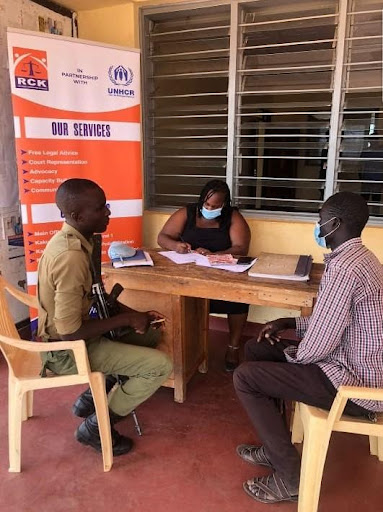
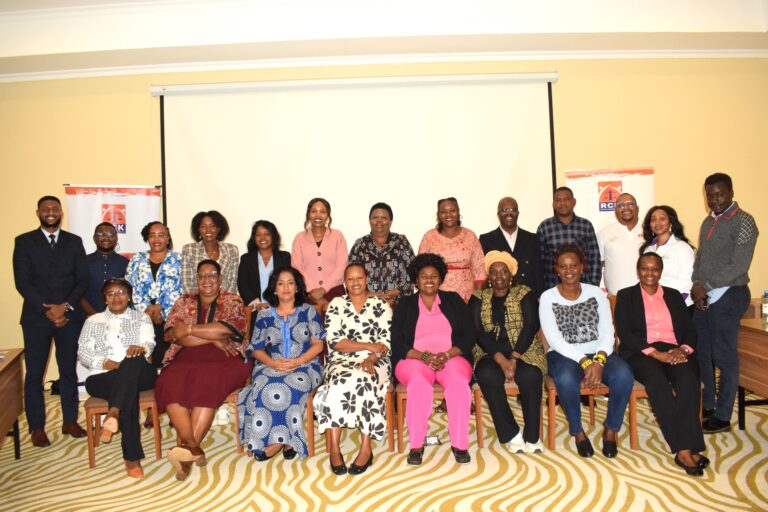
Through the Wezesha project, implemented by RCK in partnership with the IKEA Foundation, Akitela was selected to participate in an economic empowerment training alongside 24 other women from both the refugee and host communities.
For five days, she joined the group in learning the fundamentals of business: how to identify viable opportunities, manage finances, conduct market analysis, and plan for growth. It was the first time anyone had ever taught her how to think about business as something she could build and expand, not just survive.
But RCK’s support did not stop at training. Understanding that knowledge without resources is like a seed without water. In December 2024, RCK provided Akitela with in-kind capital goods worth 50,000 Kenyan shillings.
“RCK walinipea usaidizi wa capital goods za dhamana ya shilingi 50,000 (RCK gave me support with capital goods worth 50,000 shillings),” she says, her face lighting up. “Hii iligeuza biashara yangu pakubwa sana (This transformed my business tremendously).”
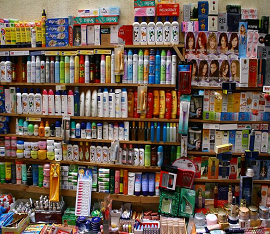
With the new stock, she could finally offer what her customers had been asking for, including beans, cereals, and a full supply of the household goods they needed. Her shelves, once sparse, were now full. The impact was immediate. Customers who once walked away now stayed.
“Wateja waliongezeka (My customers increased),” she says with a smile. “Na ile pesa nilikuwa nikiuza kwa siku ikaongezeka. Kwa sasa nauza kutoka shilingi 3,500 hadi 4,500 kwa siku. Wakati mwingine nauza hata 7,000 (and the money I used to make per day increased. Now I sell between 3,500 and 4,500 shillings per day. Sometimes I even sell up to 7,000).”
From 1,000 shillings a day to sometimes 3500, the transformation has been nothing short of remarkable. With her increased income, Akitela has done something she never thought possible. She expanded her business, now selling clothes and shoes, diversifying her offerings and creating new opportunities for income. But the most profound changes are visible not in her shop, but in her home.
“Kimaisha, naweza sema huu msaada umenisaidia sana (in terms of my life, I can say that the support has helped me greatly),” she says.
She now has two children in secondary school, one on a scholarship and the other whose fees she proudly pays herself. For the younger ones in junior secondary and primary school, she can buy uniforms, books, and meet the small school contributions that once felt impossible.
“Kwa yote, nashukuru kwa msaada walitupea (Above everything, I am grateful for the support I was given),” she says simply. “Imetusaidia sana. Kusema kweli, hii imetubadilishia maisha sana (it has helped us so much. Truly, this has transformed our lives).”
From a widow struggling to feed seven children, Akitela Epong has become a thriving businesswoman and a shining hope in her community. Akitela has moved from surviving to thriving, from despair to dignity, proving that even in the most challenging circumstances, one woman’s success can transform an entire family, and inspire an entire community.