Mombasa County’s informal markets play a critical role in supporting household incomes, particularly for women engaged in small-scale trade. The busy markets of Mombasa County come alive with the sounds of traders arranging their stalls, customers bargaining over prices, and transporters delivering fresh goods. At Marikiti Market, rows of colorful clothes hang neatly from wooden frames, drawing the attention of passers-by under the coastal sun. Marikiti market presents a place of opportunity and at the same time, a place of fierce competition.
Clothing sales are one of the most common micro-enterprises in the market, requiring regular restocking and effective cash flow management to remain competitive. Without structured financial planning, many traders struggle to separate household and business finances, limiting their ability to expand operations or build savings.
It is within this vibrant yet challenging marketplace that Nasteha Bare built her small clothes-selling business, determined to turn daily hustle into lasting stability for her family.
Before receiving support, Nasteha Bare was operating a small clothes-selling business, sourcing materials from Marikiti Market in Mombasa. Although she was hardworking and determined, her business faced several challenges.
She often experienced inconsistent stock due to limited capital. With only about KES 50,000 worth of stock at a time, she struggled to maintain a steady inventory. At times, she was forced to divert business money to pay debts or meet urgent household needs, which affected her ability to restock on time.
She narrates that without proper financial management skills, it was difficult for her to separate business income from personal expenses. This limited her growth and kept her business at a survival level rather than allowing it to expand.
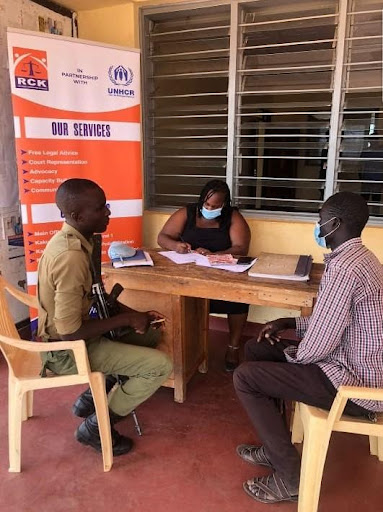
Nasteha’s turning point began with a simple but significant step — identification. During routine community engagement, Abdulaman, RCK Protection Monitor, identified her as a small-scale trader with growth potential but facing financial management challenges. Recognizing her commitment to her business and the constraints limiting her progress, he extended an invitation for her to participate in RCK’s one-week Economic Empowerment training in August 2025.
Through the training, Nasteha gained practical and applicable knowledge in financial literacy, saving strategies and smart investment and stock management. The sessions equipped her with skills to properly track income and expenses, separate business and household finances, plan stock purchases strategically, and gradually build savings instead of relying on informal borrowing from colleagues.
Beyond technical skills, the training strengthened her confidence. With clearer financial planning and structured record-keeping, she began managing her business more professionally and making informed decisions about growth and reinvestment.
Following the training, Nasteha began applying the financial management skills she had acquired. The changes in her business were gradual but consistent. She is now able to pay for stock on time and plan her purchases more strategically. By separating her business and household finances, she has developed a saving habit that allows her to reinvest without disrupting daily operations.
Today, Nasteha is not only managing her business more effectively but is also planning deliberately for its growth. With improved financial discipline and increased stock capacity, she aims to continue expanding her inventory beyond KES 80,000 and introduce higher-demand, seasonal fashion (Deras) items to attract a wider customer base within Marikiti Market and beyond. This has enabled her to look into the prospects of venturing into cosmetics sales and has introduced some products beyond her clothing items.
At the household level, the improved income has strengthened her family’s well-being. She is now able to contribute more consistently to school fees and household expenses, reducing financial stress and dependence on borrowing from colleagues.
Reflecting on her journey, Nasteha shares
“Before the training, I did not manage my money well. Now I can pay for my stock on time, save something small, and plan for my children’s school fees.”
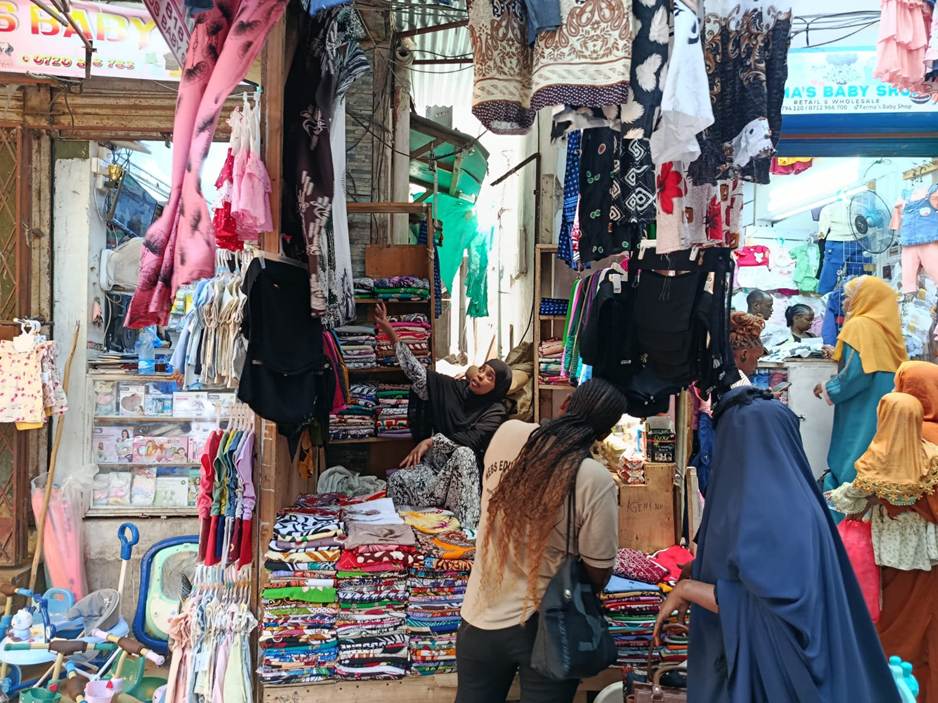
Figure 2 Nasteha attending to her customers
In the coming months, she plans to strengthen her savings to build an emergency fund that will protect her business during low-sales periods. She is also exploring the possibility of diversifying her products and, eventually, moving to a larger, more strategic sales space to increase visibility and daily sales.
Beyond business expansion, Nasteha’s long-term goal is to achieve greater household stability, ensuring uninterrupted education for her children and reducing any reliance on debt. She also hopes to mentor other women in the market by sharing the financial management skills she has acquired.
Nasteha’s journey reflects the broader impact of economic empowerment interventions in Mombasa’s informal markets. When women are equipped with financial literacy, structured support, and confidence-building opportunities, they move from daily survival to sustainable growth. Nasteha’s progress is not just a business success story, it is a foundation for long-term resilience, dignity, and self-reliance.